

Inventing Urban Futures: Lessons from Three Centuries of City-making

An event of the Bloomberg Center for Cities


12:00 p.m.
Bloomberg Center for Cities, Taubman Third Floor, Harvard Kennedy School

About the Event

As cities face rapid change and growing uncertainty, questions about how we imagine and plan for the future have taken on renewed urgency. This interactive event draws on insights from Bruno Carvalho’s new book, “The Invention of the Future: A History of Cities in the Modern World,” to explore how historical visions of tomorrow’s cities continue to shape contemporary urban planning and policy.

The event will examine how bold urban ideas over the past three centuries have influenced development, revealing both the power—and limits—of long-term prediction.  Join the conversation to examine why some urban visions succeed while others fail, how social and environmental realities disrupt even the best-laid plans, and what past experiments in city-making can teach us about building more resilient and prosperous cities today.

Virtual event open to all. In-person event open to all Harvard University ID holders. Registration is requested as space is limited. Lunch will be provided for in-person attendees.

We welcome individuals with accessibility needs to participate in our events. Contact us at events@cities.harvard.eduto request accommodations or if you have questions.


Speakers

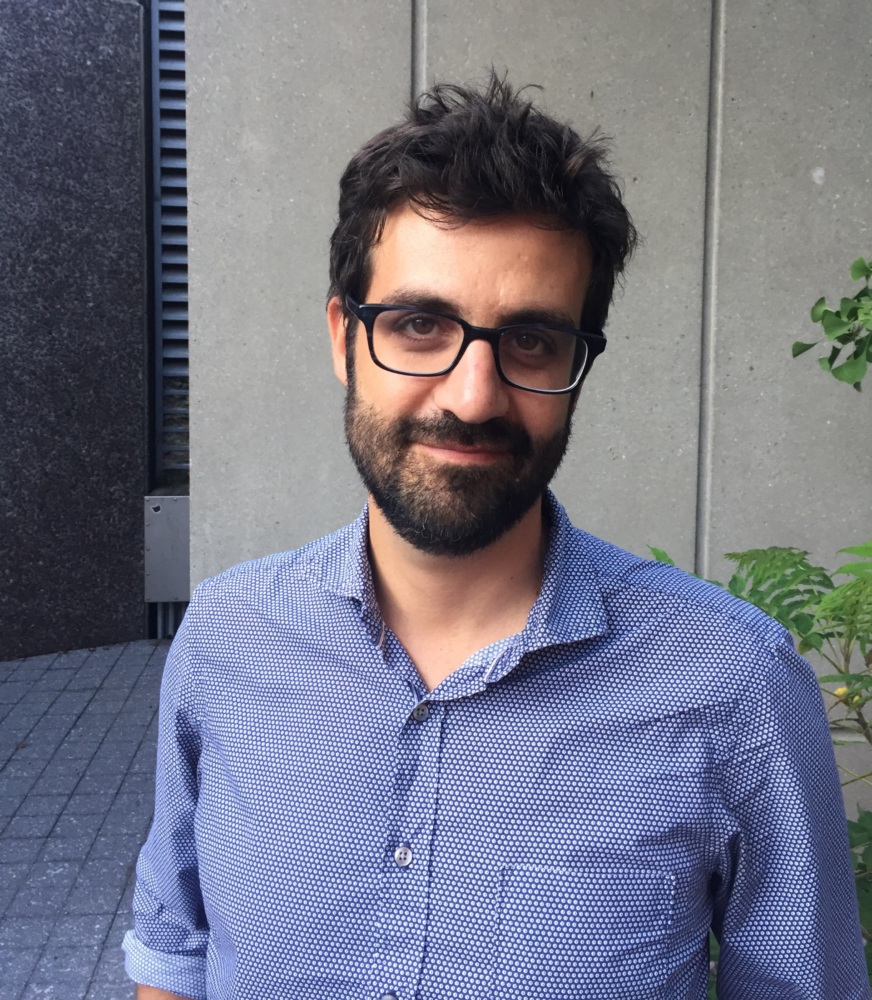
Bruno Carvalho

Bruno Carvalho (presenter)

Professor of Romance Languages and Literatures and African and African American Studies, Faculty of Arts and Sciences; Co-Director of the Harvard Mellon Urban Initiative; Affiliated Professor in Urban Planning and Design, Harvard Graduate School of Design; Bloomberg Center for Cities faculty affiliate

Bruno Carvalho specializes in urban life and how cities change. He is the author of “The Invention of the Future: A History of Cities in the Modern World” (Princeton University Press, 2026). The book opens in the 1750s, when city dwellers and planners began to assume that the future would be radically different from the past. It recasts modern urbanization within a history of competing visions, amid dramatic technological, intellectual, and cultural transformations. The book argues that the futures of the past can help us better understand the history of built environments, as well as our own crossroads in an increasingly urban world.

His interdisciplinary approaches tend to bridge history, literary analysis, and the social sciences that contribute to understanding urbanization.

At Harvard, Carvalho is Co-Director of the Harvard Mellon Urban Initiative, and Chair of the Faculty Standing Committee on History and Literature. He is a Faculty Affiliate in Critical Media Practice, at the Afro-Latin American Research Institute, the David Rockefeller Center for Latin American Studies, the Salata Institute for Climate and Sustainability, the Harvard Graduate School of Design, the Bloomberg Center for Cities, the Weatherhead Center for International Affairs, and the Center for Population and Development Studies. Carvalho serves on the boards of the Dumbarton Oaks Ex Horto book series on garden and landscape studies, the Mellon Democracy and Landscape Initiative, and the Temple Hoyne Buell Center for the Study of American Architecture at Columbia University.
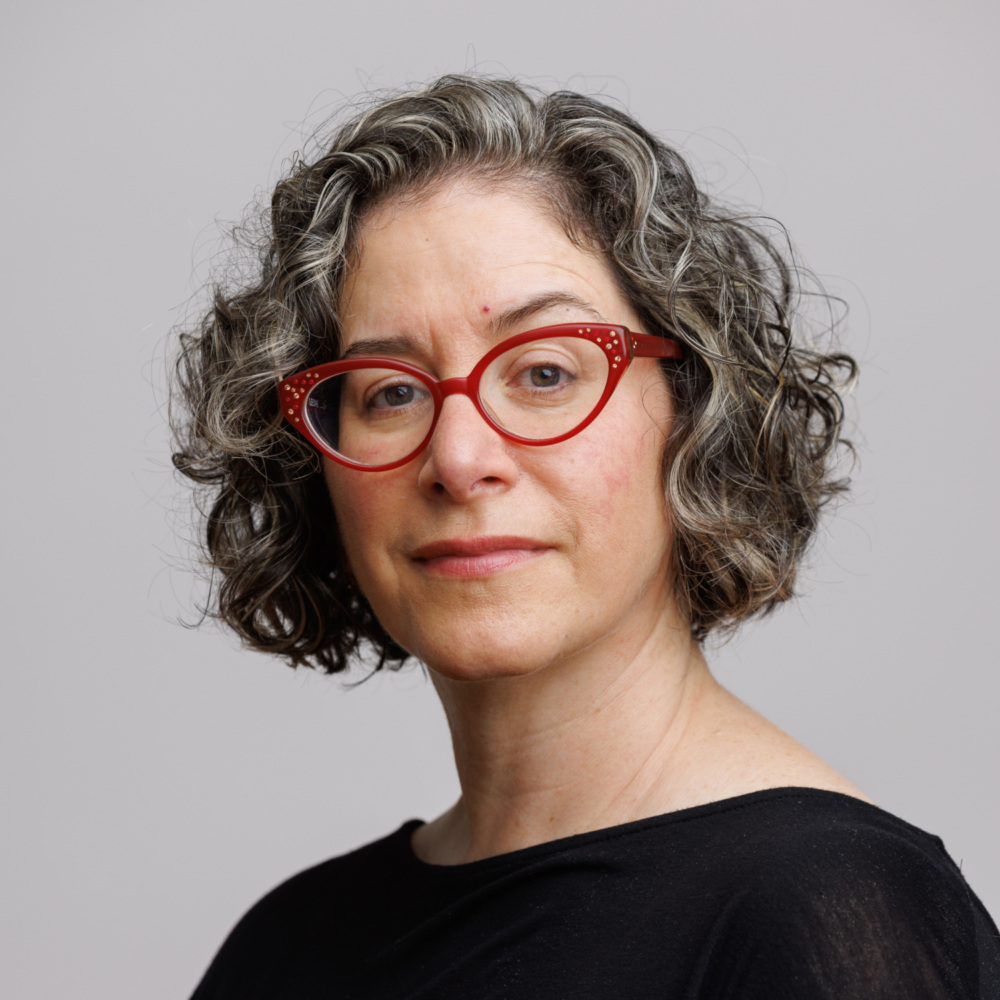

Rachel Weber

Rachel Weber (moderator)

Emma Bloomberg Professor of Urban Planning, Chair of the Department of Urban Planning and Design, Harvard Graduate School of Design; Bloomberg Center for Cities faculty affiliate

Rachel Weber is a professor in the Department of Urban Planning and Design at Harvard’s Graduate School of Design. She is an urban planner, political economist, and economic geographer who researches the relationship between finance and the built environment. She explores the ways in which cities’ deepening relationships with financial markets have brought about changes in the ways they budget, fund infrastructure, and manage their assets.

Her latest book, “From Boom to Bubble: How Finance Built the New Chicago” (University of Chicago Press, 2016) won the Best Book Award from the Urban Affairs Association. She is the co-editor of the “Oxford Handbook of Urban Planning,” a compilation of 40 essays by leading urban scholars. She is the author of over 50 peer-reviewed journal articles, as well as numerous book chapters and published policy reports. She has served as an advisor to planning agencies and community organizations on issues related to property taxes, project finance, capital planning, and economic development. She was appointed to then-presidential candidate Barack Obama´s Urban Policy Committee in 2008 and by Chicago Mayor Rahm Emanuel to the Tax Increment Financing Reform Task Force in 2011.

Before moving to Harvard, Weber was a professor in the Urban Planning and Policy Department at the University of Illinois Chicago where she taught classes in the history and theory of urban planning, development finance, economic development, and plan making. She received her M.R.P and Ph.D. in city and regional planning from Cornell University and her Bachelor of Arts in development studies from Brown University. She was a Fulbright Scholar in Kolkata, India.


Stay up to date on our latest work to improve cities